
How to Install a Privacy Fence: The Exact Materials You Need (No Guessing)
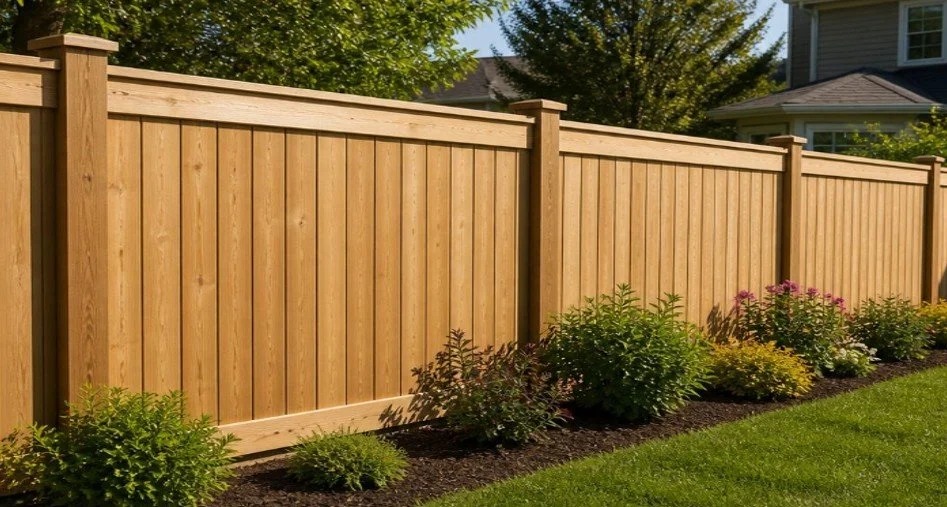
A well-built privacy fence gives your yard a defined edge and turns an open backyard into a space that feels like yours. Knowing how to install a fence the right way starts with choosing the right cedar fence boards and getting your quantities locked in before you dig.
The most common mistake isn't the installation; it's the math. You overorder boards and stack the extras in the garage. Or you run short on concrete bags mid-project and lose an afternoon on a restock run. Getting your quantities right before you shop saves you both money and weekends.
How to Install a Fence: Start with Your Property Line, Not the Store
You need a clear picture of your yard before you price out a single board. Walk the perimeter, measure the total linear footage, and mark where your gate or gates will go. Your post spacing, board count, and concrete needs all flow from these numbers. An accurate measurement now prevents every quantity mistake downstream.
Check your local zoning rules before you finalize placement too. Most municipalities have setback requirements that determine how close a fence can sit to the property line. Some also have height restrictions depending on whether the fence faces a street or a neighbor. A quick call to your local building department costs nothing and saves you from pulling out posts later.

Cedar Fence Boards Give You the Most for Your Money
Cedar fence boards hold up to Iowa weather without the constant maintenance other wood species demand. Cedar resists moisture, warping, and insect damage naturally. Your fence stays straight and solid through wet springs and dry summers without yearly chemical treatments.
Pine boards cost less per board but require a wood preservative or stain applied shortly after installation. If you go with pine fence boards, budget for a quality wood preservative and stain as part of your total project cost. Treating it as optional costs you more down the road. Both species take stain well, and the right wood staining and sealing approach makes a real difference in how long your fence holds its color and finish.
How to Install a Fence: Setting Your 4x4 Posts the Right Way
Posts carry the entire load of the fence, so this step sets the tone for everything else. You space posts every six to eight feet depending on your panel or board layout. Each one needs a hole dug deep enough to sit below the frost line. In Southwest Iowa, that runs between 36 and 42 inches depending on your exact location.
A post hole digger or rented auger makes this work manageable. You want each hole roughly three times the diameter of the post for a stable concrete fill. Set your 4x4 posts plumb before the concrete goes in and brace them until it cures. A post that shifts during curing throws off every board that follows. Renting an auger from any equipment rental center cuts the digging time significantly on longer fence runs.
Concrete Mix Keeps Every Post Locked in Place
Each post needs concrete mix poured around it to anchor it against wind load and ground movement. Fast-setting concrete mix works well for fence posts. It sets in 20 to 40 minutes, so you move down the line without waiting overnight between posts.
The number of bags per post depends on your hole diameter and depth. This is exactly where most homeowners overbuy or run short. A standard 6-inch hole at 42 inches deep takes roughly one 50-pound bag per post. Your actual count depends on your specific dimensions, so factor this into your materials list before you buy.
The Hardware and Finishing Products That Complete the Job
A privacy fence comes together cleanly when you have the right finishing hardware on hand before you start installing boards.
Fence post caps protect the top of each post from water pooling and rot
Gate hardware, including hinges, a latch, and a drop rod, keeps your entry point functional and secure
Wood preservative or stain seals boards against moisture and UV damage
Exterior screws or nails rated for outdoor use keep boards tight without corroding
You save a trip back to the store when you pull all of this together before you start. Running short on gate hardware mid-install is one of the more frustrating ways to lose a Saturday afternoon. A finished fence also opens up a lot of backyard improvement ideas worth exploring once the posts are set.
How to Install a Fence: Let Our Estimator Count It All for You
Post count, board footage, and concrete bags all change with your yard dimensions. A rough estimate almost always leaves you short on something. Our free estimator services take your measurements and return a complete materials list built for your specific fence layout, not a generic average.
You walk into the store with exact numbers instead of ballpark figures. No overspending on boards you won't use, and no mid-project supply runs that kill your momentum. If you want more context on planning your outdoor space, our outdoor project planning guide covers what to think through before any major yard improvement.
Fence materials add up fast when you're guessing at quantities. Use our free Estimator to get the exact post count, board footage, and concrete bags for your yard dimensions before you ever set foot in the store. Akin Building Centers carries everything you need to get the job done right the first time.