
Deck Building 101: Materials, Costs, and Planning Tips With Lumber
Planning a deck starts with understanding your material options, and choosing the right deck lumber determines how your finished structure looks, performs, and holds up over time. Homeowners who research materials and costs before breaking ground make smarter decisions and avoid expensive mid-project changes. A solid plan built around the right products sets your deck project up for long-term success.
Deck projects range from simple ground-level platforms to multi-level structures with built-in seating, pergolas, and lighting. Regardless of scale, every deck relies on the same core decisions around lumber species, fasteners, footings, and finish. Work through each planning step carefully, and your build stays on budget and on schedule.
What Is Deck Lumber and Why Does It Matter?
Deck lumber refers to the wood products used for framing, decking boards, railings, and structural posts that make up a finished deck. Choosing the wrong species or treatment level leads to premature rot, warping, and structural failure that shortens your deck's lifespan significantly. The right deck lumber handles outdoor exposure, foot traffic, and seasonal movement without compromising safety or appearance.
Pick the Right Deck Lumber for Your Project Before You Buy
Deck lumber comes in several species and treatment types, and each one performs differently based on climate, budget, and design goals. Pressure-treated pine leads the market for its affordability and proven resistance to rot, insects, and moisture. Cedar and redwood offer natural durability and a warmer appearance for homeowners who want a more refined look.
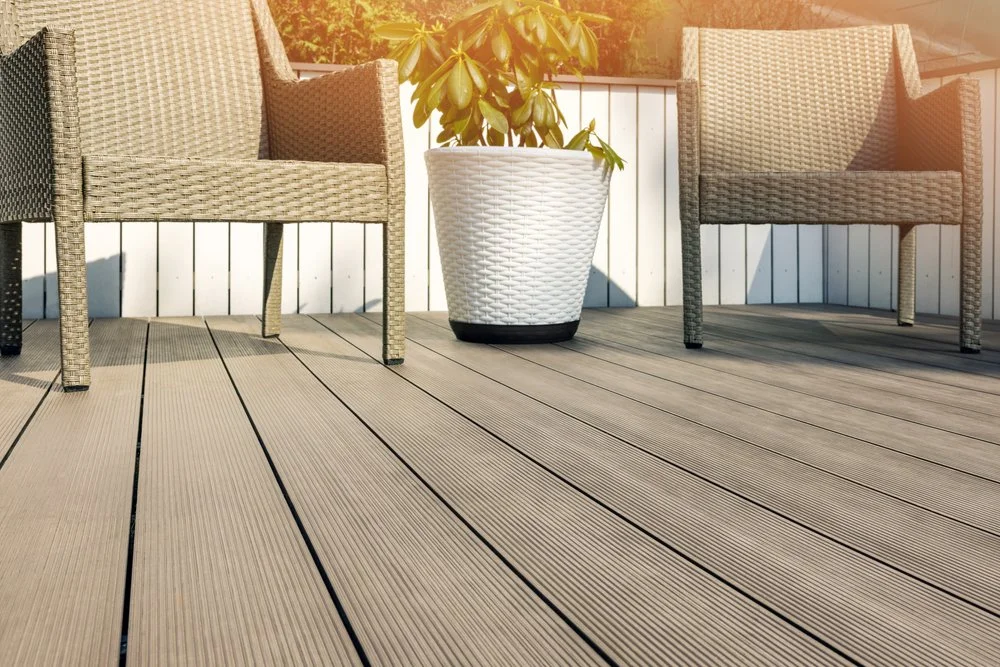
Composite lumber suits homeowners who want the aesthetics of wood without the annual maintenance real wood demands. Composite boards resist fading, staining, and moisture damage, making them a strong long-term value despite higher upfront costs. Clarinda homeowners weighing composite against natural wood should factor in the total lifecycle cost rather than the purchase price alone.
Hardwood options like ipe and tigerwood deliver exceptional density and longevity, but require specialized tools during installation. Ask your supplier about availability and lead times before committing to hardwood for your project timeline.
Matching deck lumber to your exposure conditions, foot traffic, and finish preferences prevents costly replacements down the road. Buy from a supplier who can confirm grade, moisture content, and treatment retention level before your order ships.
Plan Your Deck Layout, Size, and Structural Requirements First
A well-planned layout accounts for traffic flow, sun exposure, and how the structure connects to your home before posts go in the ground. Rushing into material orders for deck lumber and others without a clear plan leads to structural compromises and wasted lumber. Map your dimensions, entry points, and post locations before visiting your supplier.
Local building codes govern footing depth, post sizing, joist spacing, and railing height for all deck construction. Pull your permit early so inspections don't stall your project mid-build.
Footing depth depends on your local frost line, and undersized footings cause decks to shift over time. Atlantic-area projects require footings to extend below the frost line to maintain structural integrity during freeze-and-thaw cycles.
Joist sizing and spacing determine how much load your deck surface handles safely under furniture and foot traffic. size up your joists when planning for heavy outdoor furniture, hot tubs, or large gatherings.
Sketch your final layout with all structural elements labeled before placing any material orders. A complete plan keeps your supplier estimate accurate and your build on schedule from day one.
Understand What Drives Deck Building Costs Before You Budget
Deck-building costs vary widely based on size, materials, site conditions, and finish details, which add up quickly once a project gets underway. Homeowners who understand cost drivers before budgeting set more realistic expectations and avoid sticker shock at the lumber yard. Creston-area deck lumber projects benefit from getting a full materials estimate before committing to a final design.
Labor and material costs shift with lumber market prices, so lock in your supplier quote before finalizing your project timeline. Site preparation costs vary based on slope, soil conditions, and whether existing structures need to be removed.
Structural lumber, decking boards, fasteners, footings, and railing systems each carry their own cost range depending on species and grade. Skipping quality on structural components to save money creates safety and longevity problems that cost more to fix later.
Composite decking runs higher upfront but reduces long-term maintenance costs compared to pressure-treated or cedar options. Factor in stain, sealant, and hardware costs when building your total project budget for a realistic final number.
Deck Lumber Maintenance Tips That Protect Your Investment Long-Term
Proper maintenance keeps your deck lumber performing well and looking sharp for years beyond what a neglected deck manages. Corning homeowners who schedule annual maintenance avoid the premature replacements that drive up long-term ownership costs. Every type of deck lumber has specific care requirements that determine how well it holds up to seasonal exposure.
1. Clean Your Deck Surface Annually
Dirt, mold, and mildew break down wood fibers and composite surfaces faster than weather exposure alone. Wash your deck each spring with a deck-specific cleaner suited to your lumber type and surface finish. Rinse thoroughly and allow the surface to dry completely before applying any sealant or stain.
2. Inspect and Replace Damaged Boards Early
Small cracks, splits, and soft spots spread quickly when left unaddressed through a full winter season. Walk your deck each spring and probe suspect boards with a screwdriver to check for rot beneath the surface. Replace damaged boards before they compromise the structural integrity of surrounding joists and framing.
3. Seal and Stain Pressure-Treated and Natural Deck Lumber
Pressure-treated and natural wood decks need a quality sealant or stain applied every one to two years to maintain moisture resistance. Choose a penetrating oil-based stain for maximum protection on cedar, redwood, and treated pine surfaces. Apply sealant on a dry day with moderate temperatures for the best adhesion and finish quality.
4. Check Fasteners, Hardware, and Structural Connections
Fasteners loosen over time as lumber expands and contracts through seasonal moisture and temperature changes. Inspect all screws, bolts, joist hangers, and post bases each year, and tighten or replace any hardware that shows corrosion. Use only stainless steel or hot-dipped galvanized fasteners on pressure-treated lumber to prevent accelerated corrosion.
5. Protect Your Deck Lumber Through Winter
Snow and standing water accelerate wood deterioration when left on unprotected deck surfaces through the cold months. Clear snow promptly with a plastic shovel to avoid surface gouging and prolonged exposure to moisture on your deck lumber. Avoid rock salt and chemical ice melts that damage wood fibers and corrode metal fasteners.
Start Your Deck Project With the Right Materials and a Solid Plan
Building a great deck starts with the right deck lumber, a solid plan, and a clear budget before work begins. Homeowners who nail down each decision early build decks that last longer and cost less to maintain. Akin Building Center carries the lumber, fasteners, and hardware you need to move from planning to building with confidence.
Expert guidance makes every phase of a deck project faster and more accurate, from materials to final inspection. Our team works with homeowners and contractors across Iowa to match the right products to every job. Visit your nearest Akin Building Center today and let us help you build a deck that lasts