
Fence Building Guide: Materials and Planning
A fence project can seem straightforward until the layout starts taking shape. Choosing fence materials early helps homeowners and contractors plan for corners, gate openings, slope changes, and property access. A clear layout can prevent extra trips, missing hardware, and late changes once installation starts.
Fence materials should be selected with the full property plan in view. A privacy fence, pet enclosure, garden boundary, or functional divider may call for a different mix of panels, posts, fasteners, and gate hardware. Across Southwest Iowa, mapping those needs early keeps the order focused and reduces the chance of missing key items.
Start With the Job the Fence Needs to Handle
A fence should solve a specific need before it adds curb appeal or defines the edge of a property. The intended use shapes the height, visibility, gate placement, and fence materials that make sense for the project. Taking time to define that purpose first can prevent design changes after measurements and installation plans are already underway.
Measure the Fence Line Before the Material List Takes Shape
A quick walk around the yard is not enough to plan a fence order. Measure the full perimeter, mark each corner, and note where the ground rises or falls before choosing fence materials. A slope, narrow side yard, or uneven section can change the number of posts. It can also affect how each part of the fence comes together.
After the measurements are recorded, use stakes and string to trace the planned fence line before ordering. This quick check can reveal awkward turns, tight gate openings, or areas where the fence may interfere with everyday yard access.
Gate placement deserves the same attention because it affects both access and the final layout. A backyard gate may only need room for foot traffic. A wider opening may be necessary for lawn equipment, trailers, or work vehicles. Confirm those details early to avoid layout changes after ordering posts, panels, and hardware.
Compare Fence Materials by the Work They Need to Do
The best material depends on what the fence needs to accomplish around the property. Some fence materials create privacy, while others define boundaries, preserve visibility, or protect a garden area without adding a heavy visual barrier. Looking at the function first makes it easier to narrow the options before appearance and budget shape the final decision.
Material
Common Project Fit
Detail to Consider
Wood
Privacy fences, traditional yards, and customizable layouts
Seasonal upkeep and exposure to moisture
Vinyl
Clean residential boundaries and lower-maintenance projects
Starting price, layout, and post spacing
Chain-link
Pet areas, open boundaries, and functional separation
Fence height, gate location, and visibility
Utility fencing
Gardens, work areas, and property-use needs
Terrain, spacing, and the type of enclosure needed
A property in Corning or Clarinda may need a different approach depending on the yard layout, intended use, and long-term upkeep plan. Comparing the options by purpose keeps the order focused on how the fence should perform once the installation is complete.
Account for Posts, Gates, and Hardware in Your Fence Materials Order
The visible part of the fence is only one piece of the order. A complete list of fence materials should also account for posts, concrete mix, fasteners, hinges, latches, and gate hardware. Leaving out those smaller parts can interrupt the project even when the panels or boards arrive on time.
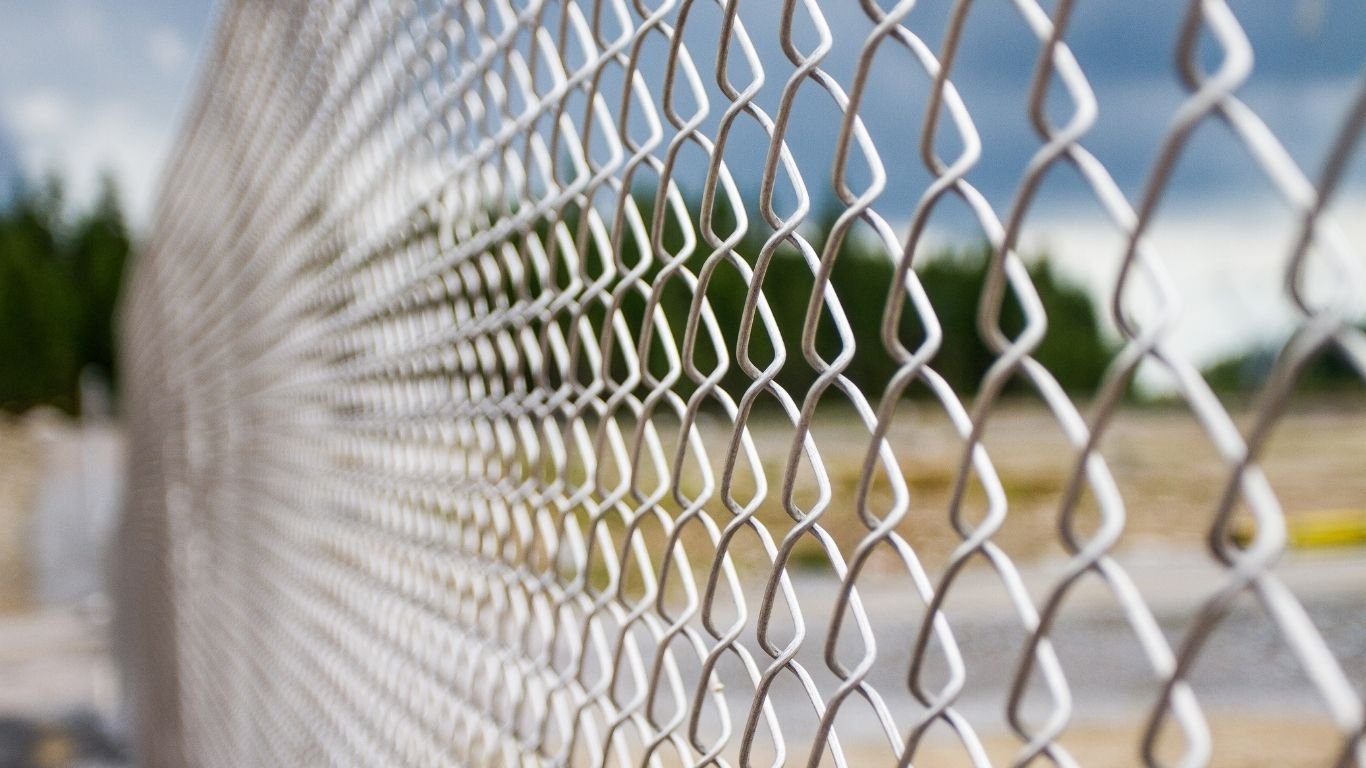
The measured layout determines how those pieces come together. Straight property lines may need fewer posts and simpler hardware than fences with multiple corners, grade changes, or wide access gates. Counting each turn and opening before ordering reduces the chance of mid-project supply runs.
Catch the Details That Can Delay Installation
A fence order can look complete on paper and still miss one detail that slows the job down. Gate clearance, grade changes, property boundaries, and access for lawn equipment or vehicles should be checked against the marked layout before fence materials are ordered.
Underground utilities also need attention before any post holes are started. Iowa law requires homeowners and excavators to notify Iowa One Call at least 48 hours before digging. The waiting period does not include the day of the notice, Saturdays, Sundays, or legal holidays. Add that step to the timeline so facility operators have time to locate and mark underground lines before work begins.
Decide Which Parts of the Project Need Contractor Input
Some homeowners may be comfortable installing a short, level fence with a simple gate. A project with steep slopes, several corners, or wide vehicle openings may call for more coordination, equipment, or contractor input.
Projects near shared boundaries, driveways, or utility areas may need extra planning time. Before work starts, confirm whether local rules, easements, or property-line questions affect the layout. A contractor or other qualified professional can help resolve those details when the site is more complex.

Review the layout before ordering fence materials and decide which parts you can handle safely. Bring in the right professional when property boundaries are unclear, local requirements need review, or the design includes a more complex gate system.
Lock In the Fence Materials Before Digging Begins
A fence project is easier to manage once the layout, access points, and smaller installation details are settled. Measuring the line carefully and accounting for posts, gates, concrete mix, and hardware reduces extra trips and helps the order reflect the actual job site.
At the nearest Akin Building & Design Centers location, a marked layout can become a ready-to-order list of fence materials, posts, concrete mix, and hardware. Take your fence sketch in and finalize the order before the first post goes in.