
Construction Contractor Tips: How to Speed Up Job Site Efficiency
Every construction contractor knows that job site efficiency determines how much profit a project actually delivers when the work is done. Crews that move through phases without delays, material shortages, or communication breakdowns complete more work in less time and with fewer callbacks. Building efficiency into your workflow before a project starts pays dividends on every job you run.
Speed on a job site rarely comes from working faster. It comes from removing the obstacles that slow crews down, from disorganized material staging to unclear task assignments and late supply deliveries. Contractors who treat efficiency as a system rather than an attitude consistently outperform those who rely on experience alone.
What Strategies Help a Construction Contractor Improve Job Site Efficiency?
A construction contractor improves job site efficiency by locking in material orders early, organizing crew responsibilities before work begins, and building buffer time into every project phase. Reducing the gaps between phases, minimizing material handling steps, and maintaining clear communication with suppliers and subcontractors all contribute to faster project completion. Efficiency gains compound across a full season, turning small daily improvements into significantly better project margins.
1. Lock In Material Orders Before the Job Starts
Late material orders are one of the fastest ways to stall a crew that showed up ready to work. Every construction contractor who locks in orders before the project start date eliminates supply gaps. Clarinda area contractors who order two to three weeks ahead consistently run tighter schedules than those who order on demand.
Confirm availability of specialty and engineered products first, since lead times for those items are longest during peak season. Standard framing lumber and hardware carry shorter lead times but still benefit from early confirmation.
Accurate material quantities tied to a complete takeoff prevent the mid-project shortages that force emergency orders at premium pricing. Review your full materials list by phase before placing any order, so nothing critical falls through the gaps. Getting every material category confirmed before day one keeps your crew moving from the first morning on site.
2. Stage Materials Close to the Work Zone
Poor material staging forces crew members to walk farther, carry longer, and handle materials more often. Every unnecessary trip across a job site adds minutes that compound into hours of lost productivity over the course of a full project. Atlantic area contractors who plan staging layouts before materials arrive keep crews working rather than searching.
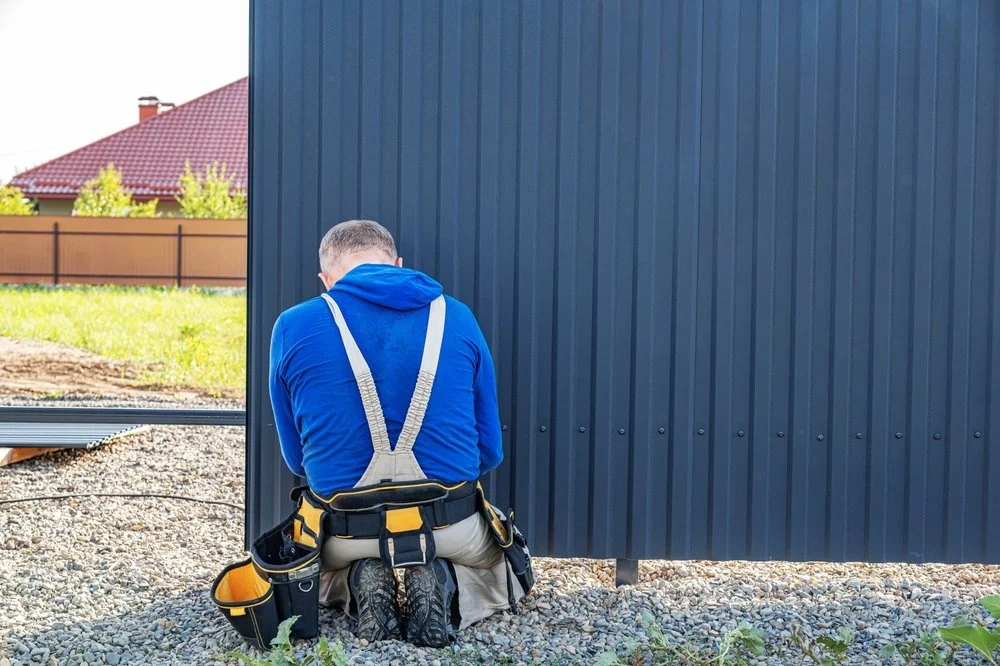
Organize staging areas by project phase so the materials needed first sit closest to the active work zone. Lumber, fasteners, and hardware for each phase should be grouped and accessible without crossing through completed or active work areas. Restage materials at each phase transition to maintain the same proximity advantage throughout the build.
Review your site layout and identify staging zones before the first delivery arrives on site. Changing staging locations mid-project disrupts workflow and adds handling steps that slow down every crew member.
3. Every Construction Contractor Needs Clear Crew Role Assignments
Undefined roles on a job site create overlap, gaps, and the kind of standing-around moments that kill daily output. A construction contractor who assigns specific responsibilities to every crew member before work begins eliminates confusion that slows phase transitions. Clear assignments also make accountability easier when work quality or pace falls short of expectations.
Write out role assignments for each phase and review them with the crew before the day starts. Verbal-only assignments get forgotten or misinterpreted when work gets busy, and conditions change mid-day.
Creston contractors who use written daily task sheets report fewer miscommunications. They also complete phases faster than crews working from verbal direction alone. Review assignments at the start of each day and adjust for any schedule changes or crew availability issues. A crew that knows exactly what to do and in what order moves through work phases faster.
4. Build a Phase-by-Phase Schedule Before Breaking Ground
A phase-by-phase schedule gives every crew member, subcontractor, and supplier a shared timeline that keeps the entire project moving in the same direction. Contractors who build detailed schedules before breaking ground identify sequencing conflicts and resource gaps before they become job site problems. A complete schedule also gives you the framework to catch delays early and adjust before they compound.
Break your schedule into daily milestones for each phase rather than weekly targets that let small delays compound into large ones. Tie material delivery dates directly to phase start dates so your supplier knows exactly when each order needs to arrive on site. Reviewing the schedule weekly with your crew keeps everyone aligned and surfaces issues before they affect the next phase.
Share the phase schedule with every subcontractor at project kickoff and confirm their availability aligns with your planned sequence. Schedule conflicts caught before work begins are far easier to resolve than those discovered after a phase falls behind.
5. Coordinate Deliveries Around Your Construction Contractor Crew Schedule
Deliveries that arrive when no crew is available to receive and stage them create material handling problems that slow the next workday. Every construction contractor who ties delivery windows directly to crew schedules eliminates the chaos of unattended drops and misplaced materials. Corning-area contractors who schedule deliveries for early-morning crew arrival keep materials staged and ready.
Give your supplier a full delivery schedule at the start of the project rather than calling in orders one at a time. Advance scheduling gives your supplier time to fulfill orders accurately and reduces the risk of partial deliveries.
Confirm each delivery the day before it's scheduled to arrive. Verify quantities match your order before the driver leaves the site. Catching short or incorrect deliveries at the time of drop prevents delays caused by waiting for a corrected reorder mid-phase. A reliable delivery schedule tied to your crew calendar is one of the highest-value efficiency tools available to any contractor.
6. Build a Strong Relationship With Your Building Supplier
A reliable supplier relationship is one of the most underrated efficiency tools a construction contractor can have. When your supplier knows your business, your project timelines, and the way you operate, you get faster responses, more accurate order fulfillment, and a contact who can flag potential supply issues before they become your problem on site.
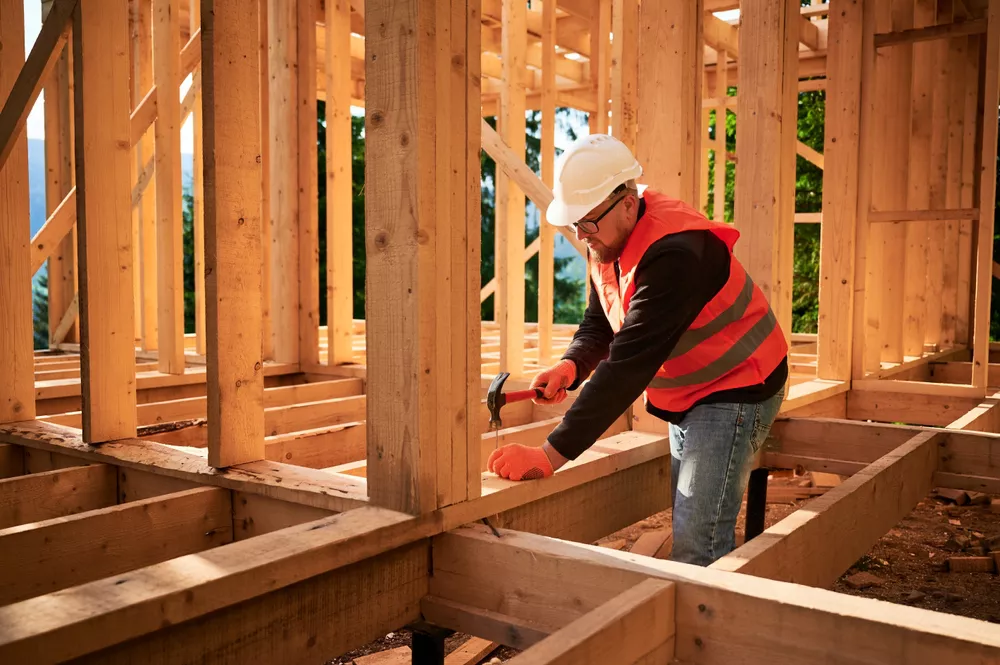
Introduce yourself and your team to your supplier representative before the season starts rather than waiting until you need something in a hurry. Share your project calendar so your supplier can anticipate your needs and alert you to lead time changes on materials you count on. Iowa contractors who treat their supplier as a project partner rather than a transaction point consistently get better service when timelines are tight and availability is short.
Akin Building Center's team is familiar with the materials, timelines, and seasonal demands that Iowa contractors deal with. A supplier who knows your business is a supplier who can help you move faster when it counts.
7. Construction Contractor Punch Lists Keep Every Build on Track
A running punch list maintained throughout the build prevents the end-of-project pile-up that delays final inspections and client walkthroughs. Every construction contractor who logs incomplete items and deficiencies as they surface finishes projects faster than those who save corrections for the final week. Punch lists also protect against the selective memory that causes overlooked items to resurface after the project closes.
Assign each punch list item to a specific crew member and set a completion date, rather than leaving items open without ownership. Unassigned punch list items remain open indefinitely, creating last-minute scrambles that push final completion dates back.
Review the punch list at every daily crew briefing and close out completed items before adding new ones. A short punch list maintained daily is far easier to clear than a long one assembled in the final days of a project. Keeping the list current from day one makes final completion straightforward rather than a stressful sprint.
8. A Smart Construction Contractor Schedules Inspections Early
Inspection delays at the end of a project create some of the most frustrating and avoidable hold-ups a contractor can face. Scheduling inspections as each phase is completed, rather than waiting until the full project is done, keeps approvals moving in parallel with active work. Contractors who treat inspections as part of their phase schedule rather than an afterthought rarely sit idle waiting for an inspector.
Contact your local building department early to understand inspection lead times and scheduling requirements for each phase of your project. Some municipalities require several days' notice for inspections, and late requests push approvals past your planned phase transition dates. Building inspection windows directly into your phase schedule prevents the gaps that form when approvals lag behind completed work.
Prepare each phase for inspection before requesting the appointment, so no rework delays the approval. Failed inspections require rescheduling, adding days to your timeline, and disrupting the subsequent phases.
Build Faster Starting With Better Planning and the Right Supplier
Every construction contractor who treats efficiency as a system rather than a habit completes more work, earns better margins, and builds a stronger reputation. The tips in this guide work best when applied together, starting before the project breaks ground and carrying through to final inspection. Akin Building Center supports Iowa contractors with estimating services, charge accounts, job-site delivery, and a full product range to keep every phase moving.
Visit your nearest Akin Building Center location or reach out to our team at akinlbr.com to set up your account and get your next project stocked and ready.