
Why Sealing and Caulking Now Will Save You Money All Winter Long
As autumn temperatures drop, your home faces a subtle yet costly threat from the elements. Learning how to caulk windows is the smartest way to protect your comfort and your seasonal budget. Taking a proactive approach to weatherproofing ensures your living spaces remain warm and energy-efficient all winter long.
Cold air forces your furnace to work twice as hard to maintain a stable interior temperature. Consequently, energy bills skyrocket while your living spaces remain uncomfortably drafty throughout the winter. You can easily prevent this financial drain by addressing these structural vulnerabilities before the first freeze arrives.
Why Sealing and Caulking Now Will Save You Money All Winter Long
Sealing your property's exterior envelope creates a durable barrier that traps expensive heated air inside your rooms. This simple maintenance task immediately reduces the total workload on your heating system and lowers your monthly utility bills. Furthermore, stopping drafts early ensures a warm, consistent indoor environment throughout the coldest months of the year.
Where Are the Primary Draft Zones, and How to Caulk Windows to Fix Them?
Many homeowners overlook the hidden structural gaps that allow freezing air to easily enter their living spaces. For instance, the joints where different building materials meet are highly susceptible to shifting and cracking over time. You will commonly find these costly air leaks around window casings, door frames, and foundation lines.
Another major culprit is the rim joist area where wooden framing sits directly upon concrete foundations. Because these materials expand and contract at different rates, sizable gaps frequently develop along the perimeter. Additionally, utility penetrations for pipes and outdoor faucets offer direct pathways for cold drafts to enter basements.
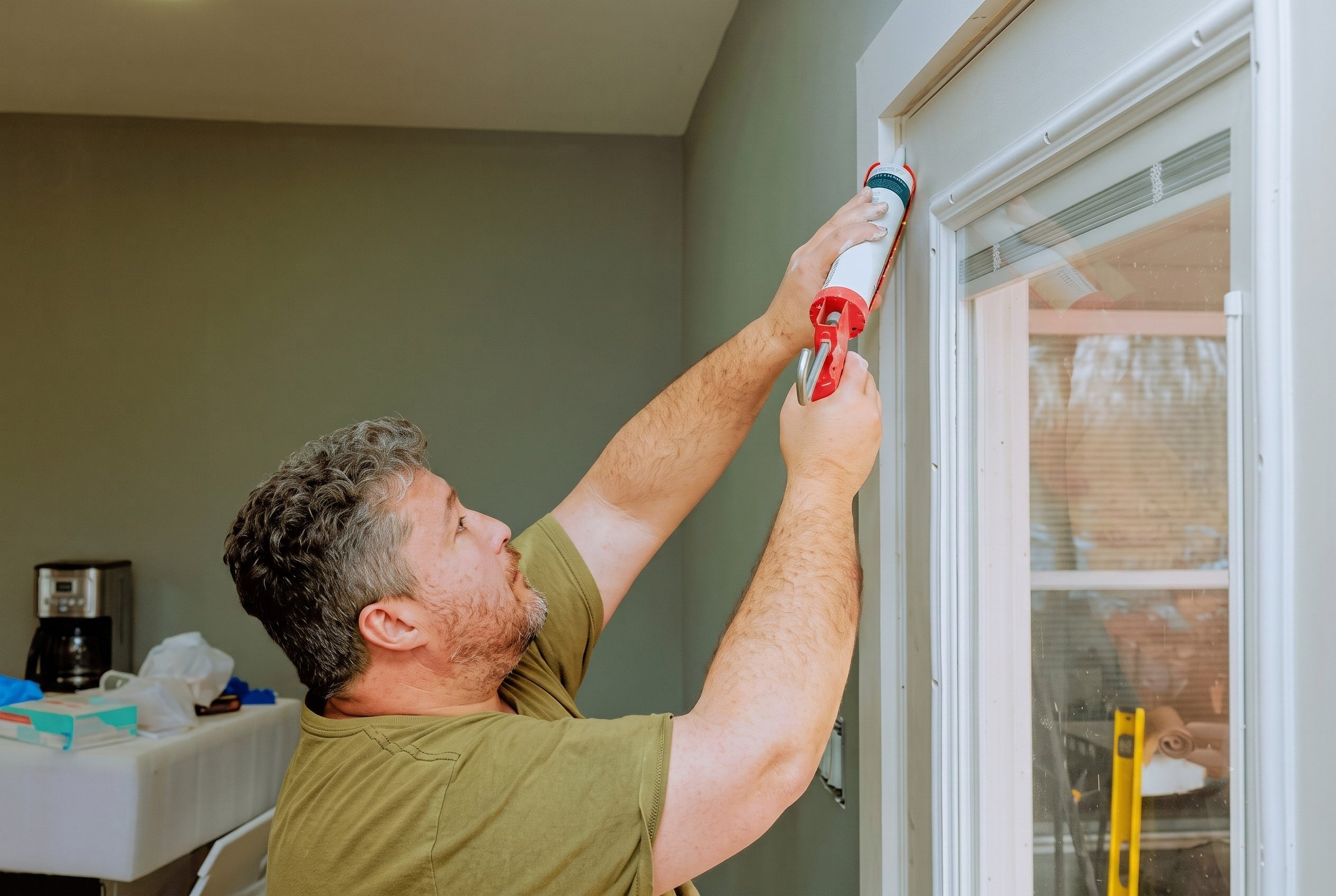
Inspecting these zones requires close attention and a willingness to check every area of your property. If you notice a draft or see visible light through a seam, heat is actively escaping. Learning where these leaks occur is an essential step when planning crucial spring projects or preservation work.
How to Caulk Windows Like a Seasoned Professional for Maximum Durability?
Achieving a flawless, airtight seal requires a highly methodical approach and the right preparation techniques available. Professional results depend entirely on how well you clean the surface before applying any new product. Dirt, old, crumbling material, and trapped moisture will inevitably cause new sealant to peel away quickly.
Remove old material: Use a sharp putty knife or specialized scraping tool to clear out degraded sealant from the joint.
Clean the gap thoroughly: Wipe down the entire track with rubbing alcohol to eliminate lingering dust and hidden mold spores.
Dry the surface completely: Ensure the area is completely moisture-free, as trapped water prevents proper chemical adhesion.
Cut the nozzle correctly: Slice the tip of your tube at a precise 45-degree angle to control fluid flow.
Smooth the bead smoothly: Press your finger or a damp smoothing tool firmly to force the compound into the structural gaps.
Once the application is complete, allow the material to cure fully according to the manufacturer's specific timeline. This careful process ensures your home remains completely draft-free through the worst winter blizzards this year. Taking time for these upgrades is just as impactful as investing in brand new windows and doors.
Which Sealant Compound Is Right When Learning How to Caulk Windows?
Navigating the rows of tubes at the store can feel overwhelming without understanding basic material characteristics. Selecting the wrong compound often results in a weak bond that cracks when the weather turns freezing. For example, standard latex options are excellent for interior baseboards but fail if exposed to harsh elements.
Pure silicone is highly flexible, completely waterproof, and ideal for exterior glass, metal, and ceramic surfaces. However, silicone cannot be painted, so you must select the correct color matches during the purchase phase. On the other hand, polyurethane formulas offer incredible durability and stick tenaciously to heavy masonry and concrete.
If you prefer an option that combines easy cleanup with outdoor resilience, siliconized acrylic latex is an ideal choice. This hybrid material stretches sufficiently to handle temperature shifts and accepts exterior paint finishes beautifully over time. Matching the correct compound to your specific substrate ensures the protective barrier remains completely intact for years.
How to Caulk Windows to Provide Critical Moisture and Rot Control?
While stopping freezing drafts is highly beneficial, sealing your home's exterior also serves a vital dual purpose. Water is a destructive force that constantly seeks out tiny openings in your siding and tracks. When left unsealed, autumn rains and melting snow seep deep into these hidden structural cavities.
Prevent dangerous ice damming: Sealing attic leaks stops warm air from melting rooftop snow and damaging shingles.
Stop structural wood rot: Keep moisture out of wall framing to preserve the integrity of studs and sheathing.
Inhibit harmful mold growth: Eliminating dampness inside wall cavities protects your indoor air quality from hidden spores.
Block invasive winter pests: Tight seams prevent bugs and mice from utilizing exterior cracks to find warmth.
Reduce expensive repair bills: Proactive sealing prevents the need for major structural restoration projects down the road.
When water enters a gap and freezes, it expands with force, widening cracks significantly. This cycle repeats all winter, turning minor blemishes into catastrophic structural failures that cost thousands to fix. Protecting your property from moisture helps keep your interior spaces healthy, stable, and completely dry.
Why Master How to Caulk Windows Early to Coordinate Your Weatherproofing Goals?
Waiting until the snow begins to fall makes exterior home maintenance incredibly difficult and uncomfortable. Most professional-grade sealants require ambient temperatures above 40 degrees Fahrenheit to cure and bond correctly. Therefore, finishing this project during mild autumn weeks ensures the materials will perform exactly as engineered by the manufacturers.
Planning ahead also allows you to evaluate whether your home requires additional updates before severe weather hits. For instance, you might discover that certain areas require more than just a simple tube of caulk. If you find extensive damage around your property, you can explore specialized design-center products for replacements.
Consolidating your tools and purchasing supplies ahead of time eliminates the need for stressful, last-minute trips during a winter storm. Taking control of your home's efficiency now gives you complete peace of mind when forecasts worsen. You can relax comfortably inside, knowing your protective envelope is fully prepared for whatever winter brings your way.
Protecting Your Southwest Iowa Home This Winter
Spending a single autumn afternoon sealing your home's envelope is a low-cost, high-reward investment. Protecting it pays off immediately with comfort and energy savings all winter long. Also, if you are interested in advancing your career, explore our local job opportunities today.
When you are ready to prepare your property for the freezing months ahead, Akin Building Centers can help. Pick up your caulking and sealing supplies and get ahead of winter before it sneaks up on you. Our team can connect you with professional-grade caulking guns, weatherproofing kits, and specialized advice tailored to your home’s specific exterior materials.