
The October Home Maintenance Checklist Every Iowa Homeowner Needs
October brings crisp autumn air, but it also signals the final countdown before harsh freezing weather arrives. Learning how to caulk windows properly before the first frost will save you significant heating energy. Consequently, taking action now ensures your property remains safe, warm, and highly efficient all winter long.
Neglecting minor external issues in autumn often leads to costly structural damage later. Therefore, homeowners must prioritize a seasonal checklist to safeguard their valuable investments. Preparing early helps minimize stress and prevents unexpected home emergencies during heavy snowfalls.
Why Learn How to Caulk Windows Now?
Freezing Midwestern temperatures can quickly exploit small structural vulnerabilities in your home. Consequently, completing key seasonal updates now protects your foundation and interior spaces from moisture. Taking these proactive steps keeps your household safe while reducing costly utility bills.
How Do You Protect Your Roof and Gutters, and How Do You Caulk Windows?
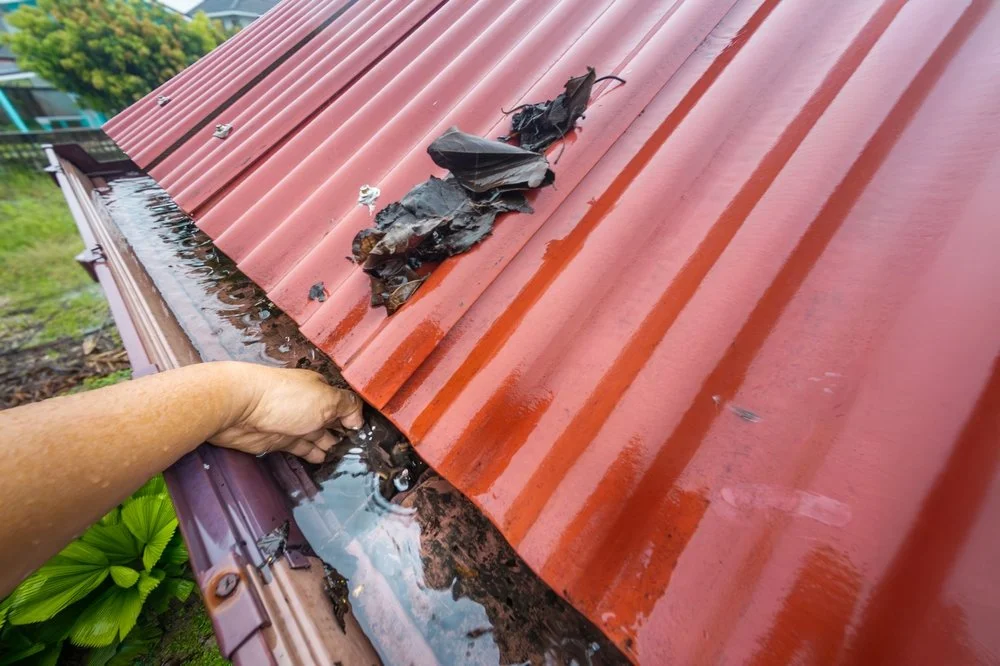
Clogged gutters quickly trap rainwater during early-autumn storms. Furthermore, trapped water easily freezes into thick ice dams when temperatures suddenly drop. These heavy ice formations put severe structural strain on your roof edges.
Clearing away fallen leaves allows melting snow to flow freely down your downspouts. Additionally, you should redirect the downspout extensions away from your home foundation. Proper drainage prevents dangerous water pooling that causes soil shifting and basement leaks.
Inspecting your shingles for cracks or missing pieces is equally vital. Homeowners often complete quick DIY projects by replacing damaged materials before winter. While gathering roofing supplies, understanding how to caulk windows allows you to address multiple external vulnerabilities simultaneously.
What Are the Essential Sealing Steps for Exterior Wall Gaps?
Cool autumn drafts usually indicate hidden gaps around your outer walls. Specifically, cold air infiltrates through tiny openings near doors, windows, and utility lines. Learning how to caulk windows and exterior trim keeps your heated indoor air from escaping outside.
Prep: Scrape all decaying sealant and accumulated dirt from frames thoroughly.
Application: Apply premium exterior grade silicone smoothly along all open seams.
Tooling: Smooth the wet sealant bead evenly using a damp cloth.
Inspection: Examine the rubber weatherstripping around primary entry doors carefully.
Foam: Fill expansive gaps around outdoor plumbing pipes using expanding foam.
Proper sealing protects your living space from freezing winter drafts. Moreover, sealing gaps keeps destructive pests from seeking warmth inside your walls. Early preparation ensures you handle these tasks before the freezing weather arrives.
How Do You Optimize Interior Heating and Insulation, and How to Caulk Windows?
Your furnace works incredibly hard during the cold Midwestern months. Consequently, replacing dirty air filters ensures proper airflow throughout your entire house. Clean filters also improve your indoor air quality during seasonal lockdowns.
Checking your attic insulation levels prevents warm air from escaping upwards. Indeed, adequate insulation keeps your home cozy while reducing strain on your heater. You can easily determine whether a drafty room requires advanced insulation or if a simple done for you project is best.
Figuring out how to caulk windows from the inside can also enhance your heating system's insulation. Testing your smoke and carbon monoxide detectors ensures family safety. Batteries should be replaced annually to guarantee continuous operation during winter emergencies.
How Do You Winterize Outdoor Plumbing and Seasonal Equipment?
Trapped water inside exterior pipes expands rapidly when temperatures drop. Subsequently, this expansion causes copper or plastic lines to burst open violently. Knowing how to caulk windows near outdoor fixtures helps protect adjacent walls from freezing drafts.

Valves: Locate and shut off the interior water supply leading outside.
Drainage: Open the exterior spigot completely to drain remaining trapped water.
Hoses: Disconnect, tightly roll, and store all rubber hoses indoors.
Fuel: Drain all leftover gasoline from your lawnmower engine before storage.
Covers: Secure a durable, waterproof tarp over your central air unit.
Storing your summer tools protects them from rusting during winter. If you lack specific tools, utilizing local rental centers provides an affordable alternative. Proper maintenance guarantees your machinery works perfectly when spring arrives next year.
Why Does Early Scheduling Prevent Winter Maintenance Delays?
Gathering your supplies early helps you avoid the autumn rush. Understanding that planning early saves time and money applies to fall maintenance, too. Proactive planning secures the best materials before local store shelves empty out.
Ordering bulky building supplies online simplifies your weekend projects significantly. Homeowners can easily arrange for job-site delivery directly to their driveway. If you are learning how to caulk windows, having sealant tubes delivered saves a trip.
Completing your tasks sequentially prevents physical exhaustion and stress. Spreading the work across October makes home care manageable and highly rewarding. Finalizing these details ensures your property remains secure against freezing storms.
Secure Your Home Investment With Trusted Local Support
Checking off these vital property maintenance steps throughout October gives you complete peace of mind, knowing your home is structurally protected, highly efficient, and fully prepared for whatever winter brings. Taking action now protects your family and saves money on utility costs.
Akin Building Centers is your local partner for seasonal success. Stop by any of our four convenient store locations to pick up your checklist essentials, rent specialized tools, and get expert advice from neighbors you trust. Reach out, and we’re here to help.