
DIY vs Hiring a Contractor: What You Should Know
The hardest part of a home project is not always the work itself. It is deciding which tasks fit your time, tools, and experience and which ones call for professional input. Before hiring a contractor or choosing the DIY route, compare the full budget, timeline, and risk of rework.
Some repairs and updates are realistic weekend projects, especially when the steps are clear and the materials are easy to handle. Larger builds may involve structural decisions, specialized tools, or coordination that becomes harder to manage alone. Across Southwest Iowa, the better approach depends on the project itself rather than a one-size-fits-all rule.
Separate a Weekend Project From a Full-Scale Build
Replacing a few pieces of hardware or refreshing a small area is different from taking on a deck, fence, or multi-step exterior update. Hiring a contractor may deserve closer consideration when the work involves structural changes, unfamiliar equipment, or several tasks that need to happen in the right order. Defining the scope early makes it easier to compare the two paths fairly.
List the Work Hidden Behind the Finished Result
Finished projects can hide the number of steps behind them. Measuring, demolition, material pickup or delivery, tool setup, installation, cleanup, and disposal may all take more time than expected. Before hiring a contractor or committing to DIY, homeowners should look at the full task list rather than the finished result alone.

Some projects become easier once the work is divided into smaller parts. A homeowner may be comfortable handling prep work, painting, or cleanup but prefer outside help for structural changes or unfamiliar installation steps. Seeing the full sequence makes it easier to choose a realistic approach without ruling out either option too quickly.
Hiring a Contractor Changes More Than the Labor Line
The cost of hiring a contractor covers more than the hours spent on site. Contractor-led work may also include scheduling, equipment, material coordination, and the order in which each step needs to happen. Those details can be especially useful when a project includes several trades, weather-sensitive work, or a tighter timeline.
DIY can still be a smart choice when the scope is clear and the homeowner has the time, tools, and experience to complete the work safely. The better comparison looks at the full project rather than labor cost alone. Factoring in time, equipment, and the chance of rework gives homeowners a clearer view of what each path may require.
Count the Costs DIY Estimates Often Miss
DIY may look less expensive at first, but the final cost can grow once the full task list comes into view. Tool purchases, equipment rentals, disposal fees, and extra material trips can add up quickly when the project stretches beyond a simple repair.
Time also belongs in the budget. A weekend project can turn into several evenings or multiple Saturdays when measurements, weather, or unfamiliar steps slow the work down.
Comparing those costs with hiring a contractor gives homeowners a more realistic picture. The lowest starting price is not always the most affordable path once delays, rework, and added purchases are included.
When Hiring a Contractor Reduces Project Risk
Some projects deserve professional input because mistakes can affect safety, code compliance, or the finished structure. Structural changes, permit questions, electrical work, plumbing updates, and installation steps that depend on inspections may be difficult to correct once the project is underway. Hiring a contractor becomes worth considering when the homeowner cannot confidently evaluate those risks or complete the work safely.
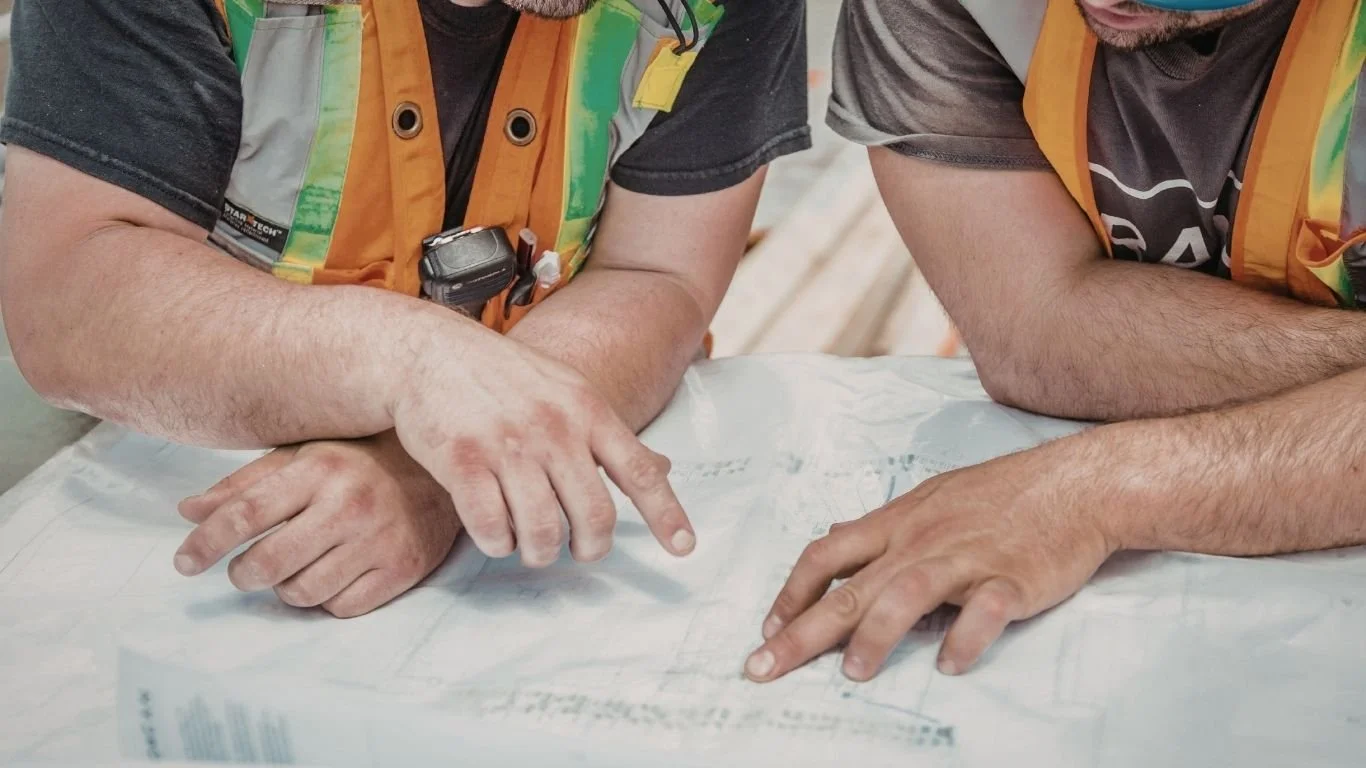
Specialized equipment and sequencing also affect the decision. A contractor can coordinate the order of the work, account for site conditions, and flag issues before finished materials need to be removed or replaced. Professional input is most useful when it prevents avoidable rework and protects the overall investment.
Hiring a Contractor for Part of the Work Can Be the Better Middle Ground
Homeowners do not always need to choose between completing the entire project alone and handing off every task. A split-scope approach allows the work to be divided according to skill level, risk, and available time.
Cleanup, painting, site preparation, or smaller finishing details may remain on the DIY list. A contractor can handle the portions that require specialized equipment, inspections, or a more technical installation process.
Set the handoff points before work begins. Decide who will order materials, prepare the site, manage the schedule, remove debris, and complete the final touchups. Clear roles can reduce duplicated work and keep the budget focused where professional input adds the most value.
Use a Material Estimate to Decide Between DIY and Hiring a Contractor
A material estimate can reveal more than the cost of lumber, hardware, and supplies. It can show the true size of the job, the tools involved, and whether the timeline fits a DIY plan. It may also highlight the parts where hiring a contractor could save time or reduce costly rework.
With estimator services available through Akin Building & Design Centers, measurements and project details can become a clearer materials list. Request a material estimate from our team and use it to choose the approach that fits your project.