
Choosing the Right Fasteners for Outdoor Builds
Outdoor projects often put most of the attention on boards, panels, and framing materials. Construction fasteners may be smaller, but they influence how well those larger pieces stay connected through moisture, temperature changes, and repeated use. A poor hardware choice can lead to rust stains, loose boards, shifting joints, or repairs that appear sooner than expected.
Decks, fences, railings, and exterior trim each place different demands on the hardware holding them together. Across Southwest Iowa, rain, snow, and seasonal weather changes can add more stress to exposed connections over time. Looking closely at the material, location, and purpose of each connection helps the finished build hold up more reliably.
What Counts as an Outdoor Fastener?
Outdoor fasteners include screws, nails, connectors, hinges, and other hardware used to secure exterior materials. The size, coating, and intended use can change depending on whether the hardware attaches surface boards, supports framing, or handles moving parts. Recognizing those differences early makes the rest of the selection process easier.
Problems Often Begin at the Connection Point
Outdoor wear does not always begin with a damaged board or panel. Rust marks, loose pickets, shifting railings, or hardware that backs out can signal a connection that does not suit the material or exposure. Small issues may spread when moisture and repeated movement keep affecting the same point.
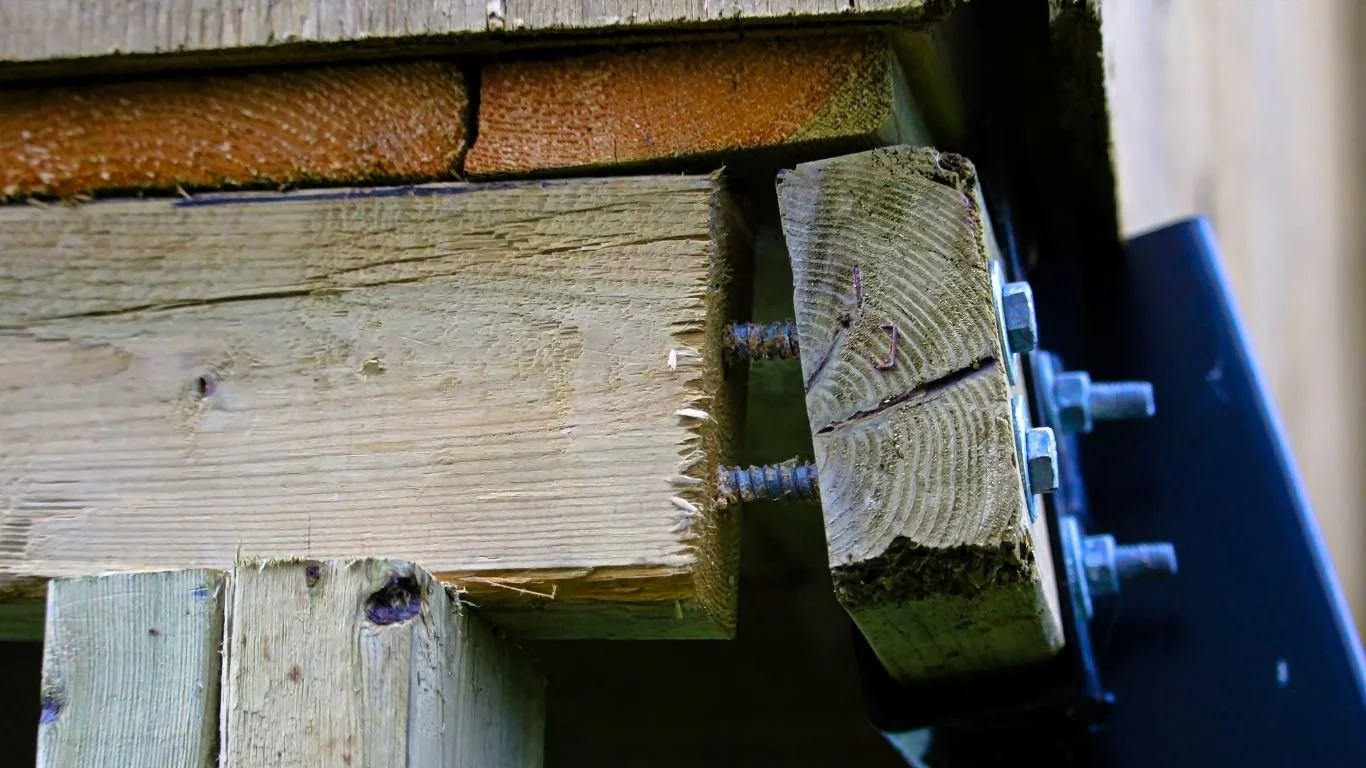
Construction fasteners should be reviewed alongside the main material order. A screw used for surface boards does not belong in every framing joint, and a basic indoor nail may deteriorate outside. Selecting hardware by connection type can reduce repairs after the build is complete.
Construction Fasteners Must Suit the Material Around Them
Pressure-treated lumber, cedar, composite boards, PVC products, and exterior trim can place different demands on the hardware used during installation. Construction fasteners should be selected with the surface material, outdoor exposure, and manufacturer guidance in mind.
Composite and PVC decking may call for hidden fasteners or product-specific screws that protect the finished surface. Treated lumber and cedar need hardware that can handle outdoor conditions without causing stains or early corrosion.
A fastener that works well with one material may not suit another. Checking the requirements early helps reduce avoidable replacements later.
How Moisture Affects Construction Fasteners in Treated Lumber
Outdoor hardware faces rain, snow, humidity, and changing temperatures throughout the year. Pressure-treated lumber also needs compatible construction fasteners because some preservatives can increase corrosion risk.
For preservative-treated wood, hot-dip galvanized or stainless-steel fasteners are commonly recommended because they provide better corrosion resistance in outdoor conditions. Do not mix hot-dip galvanized fasteners with stainless-steel connectors, or stainless-steel fasteners with galvanized connectors. Check the lumber treatment, connector material, and product instructions before placing the hardware order.
Different Connections Call for Different Construction Fasteners
One outdoor project may need several types of hardware instead of one box of screws for every connection. Surface boards, framing, railings, and moving parts each place a different demand on construction fasteners. Separating those jobs before ordering makes the list easier to check.
Surface Boards and Exterior Trim
Deck boards, fence pickets, and exterior trim need hardware that suits the material and the finished look. Hidden fasteners or product-specific screws may help create a cleaner surface while reducing the risk of damage during installation.
Framing and Structural Connections
Joists, posts, and other load-bearing areas need hardware designed for structural use. Connectors, approved screws, and compatible fasteners help those parts handle weight and movement without relying on finish hardware.
Railings, Gates, and Moving Parts
Railings, hinges, and gate latches face repeated use after the build is complete. Hardware for those areas should suit the material, connection type, and amount of movement expected over time.
Avoid Fastener Pairings That Can Cause Early Failure
Outdoor projects can run into problems when fasteners and connectors are treated as interchangeable. Indoor hardware may corrode outside, while finish hardware can fail in structural areas that need load-bearing products.
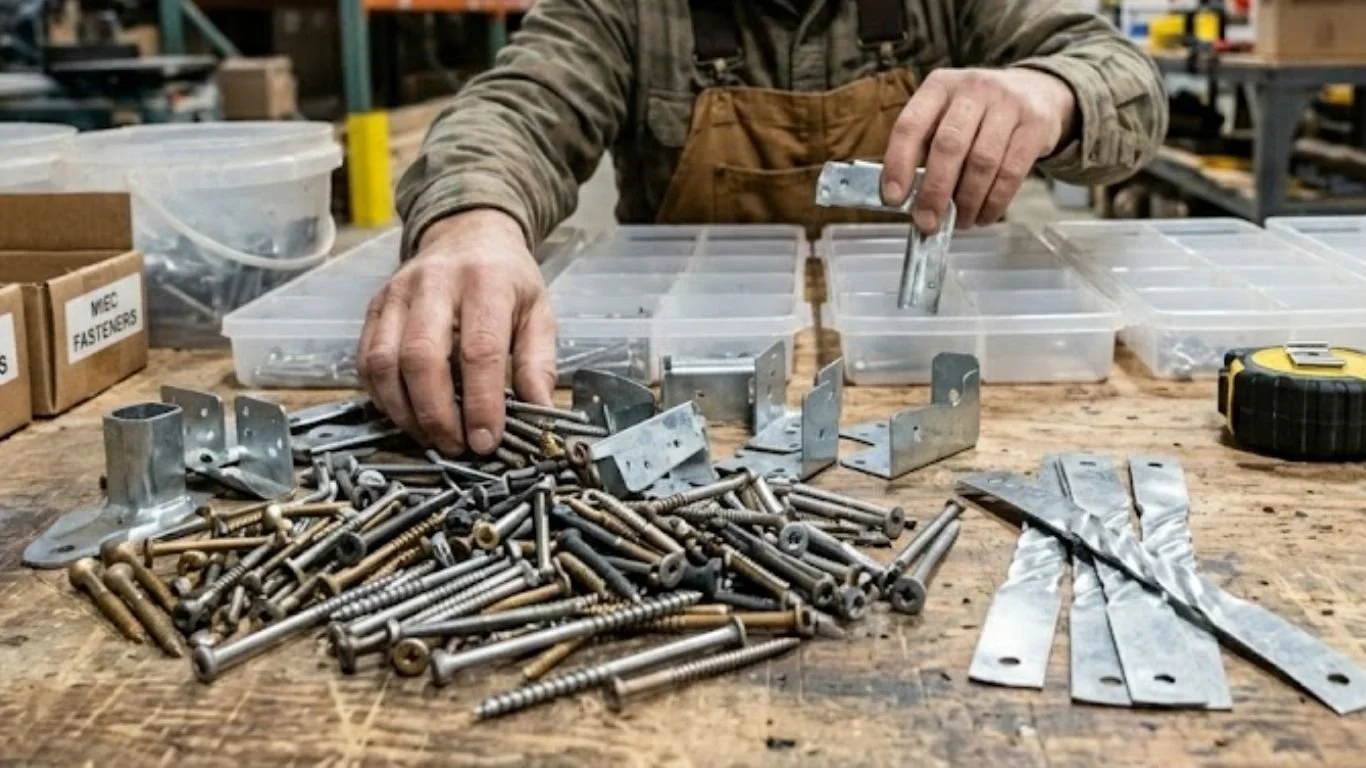
Length and gauge also deserve attention. Construction fasteners that are too short or too light for the connection may loosen as the build takes on weight and movement.
Metal compatibility matters as well. Pair stainless-steel fasteners with stainless-steel connectors and galvanized fasteners with compatible galvanized connectors. Check those details before ordering to reduce the risk of early corrosion.
Verify Construction Fasteners Before Finalizing the Order
A complete outdoor order should account for small hardware as carefully as boards, panels, and framing materials. Construction fasteners, connectors, hinges, and compatible tools all need to suit the material and connection.
From nails and screws to connectors and exterior hardware, Akin Building & Design Centers offers the pieces needed to complete the order. Submit your outdoor-project list to our team for a fastener check before purchasing materials.