
Best Tools for Outdoor Construction Projects
A well-organized toolbox can save time long before the first board is cut or the first post is set. The construction tools needed for an outdoor project should match the work ahead, from measuring and layout to fastening, cleanup, and material handling. Choosing the setup carefully helps homeowners and contractors avoid delays caused by missing equipment or the wrong accessories.
The tool list can change depending on the project. A deck repair may call for drills, saws, and measuring tools, while a fence installation or landscape build may also require equipment for digging, lifting, or site preparation. Across Southwest Iowa, sorting tools by task makes it easier to decide what belongs in the toolbox and what may be better to rent.
Reduce the Stops That Slow the Job Down
A missing blade, overlooked extension cord, or unavailable piece of rental equipment can interrupt an outdoor build even when the main materials are ready. A stronger setup accounts for the tools needed at each stage and the accessories that keep the work on track. Thinking through likely slowdowns creates a more useful toolbox than gathering equipment at random.
Map the Tools to Each Phase of the Build
Outdoor projects often move through layout, material preparation, assembly, lifting, and cleanup. Each phase calls for a different group of construction tools, and some equipment may only be needed briefly. Reviewing the sequence ahead of time helps homeowners and contractors gather the essentials without crowding the site.
A deck repair may begin with inspection and board removal, while a fence project may require layout tools and digging equipment first. Sorting tools by phase keeps the next task within reach and makes occasional rental needs easier to spot.
Choose Construction Tools for the Main Jobsite Tasks
Accurate measurements set the rest of the project in motion. Tape measures, levels, squares, chalk lines, and marking tools help keep layouts clear before materials are cut or installed.

Cutting tools should match the material and the type of work involved. Hand saws, circular saws, table saws, and power planers may serve different purposes depending on the size of the project and the finish needed.
Drills, drivers, nailers, and staplers help move the build from loose materials to a finished structure. Choosing construction tools by function makes it easier to work efficiently without relying on one tool for every task.
Bits, Blades, and Accessories Need to Match the Material
The tool itself is only part of the setup. Wood, metal, plastic, masonry, and concrete can require different bits, blades, or grinding accessories, even when the same drill or saw is being used. Pairing construction tools with the correct accessories helps reduce rough cuts, damaged materials, and unnecessary delays.
Review the material list in advance and gather the accessories needed for each phase. A wood-drilling bit may not suit concrete, while a general-purpose saw blade may not leave the finish a project requires. Keeping backup bits or blades nearby can also prevent a small replacement from stopping the job.
Rent Construction Tools When Occasional Equipment Will Do
Some equipment is useful for only one stage of an outdoor project. Renting construction tools can make more sense when the item takes up storage space, requires a trailer, or would sit unused after the work is complete.
Before buying specialized equipment, ask:
Will the tool be used beyond this project?
Is storage space available after the work is done?
Will transportation require a trailer or a larger vehicle?
Would renting leave more room in the budget for materials?
A short rental period can give DIYers and contractors access to equipment without adding a long-term storage problem. For outdoor builds around Southwest Iowa, reserving occasional-use tools early can prevent a specialized task from stalling the project.
Transport, Cleanup, and Site Setup Keep the Workday Moving
A project can slow down even when the main construction tools are ready to go. Extension cords, hoses, compressors, ladders, trailers, and material-handling equipment can make it easier to move supplies and keep each task within reach. A cleaner setup also reduces the time spent searching for tools or clearing space between steps.
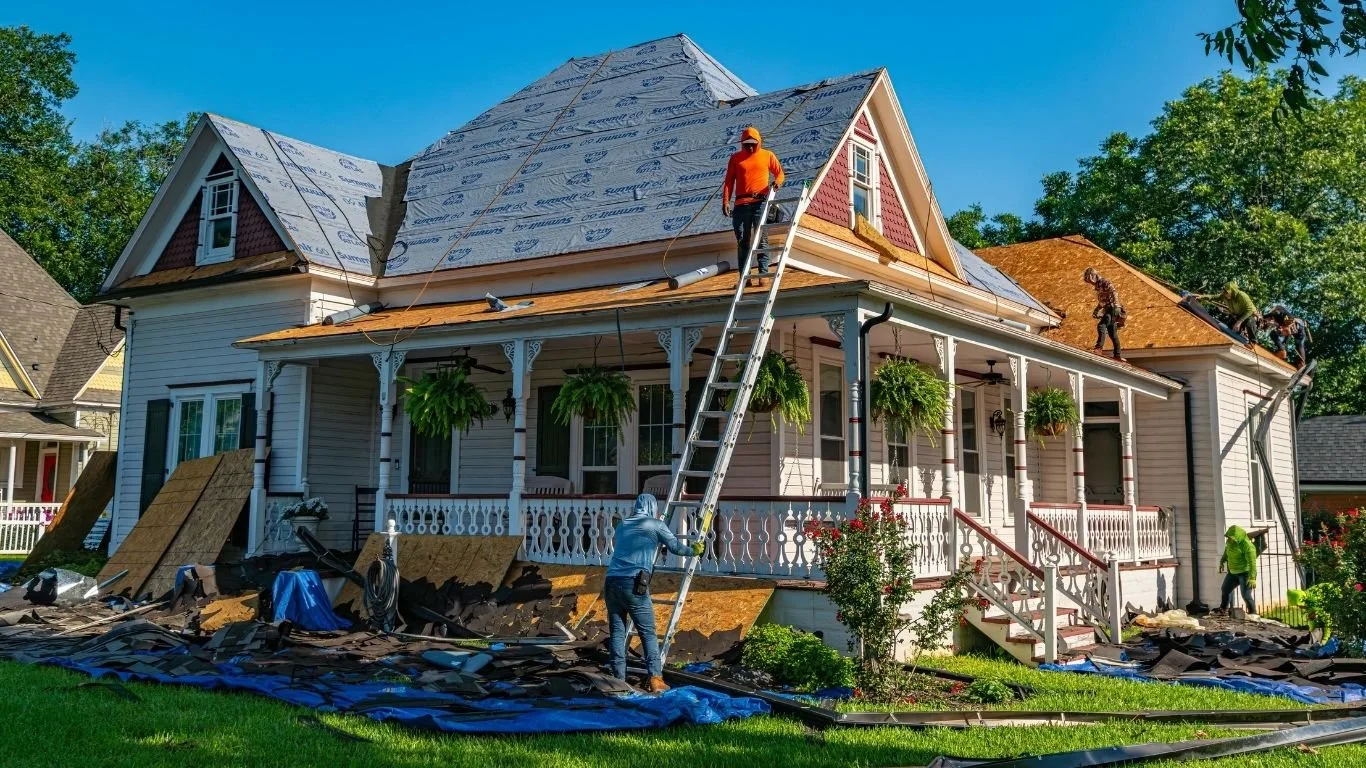
Cleanup belongs in the work plan rather than at the end of the day. Shop vacuums, debris containers, and a designated staging area can help keep the site safer and easier to navigate. Organizing those support items early helps DIYers and contractors maintain a smoother workflow from setup through the final cleanup.
Sort Construction Tools Into Buy, Rent, and Bring-to-Site Groups
The most useful setup is not always the largest toolbox. Separate everyday construction tools from material-specific accessories and occasional equipment that may be smarter to rent. A clear list can reduce last-minute supply runs once the project is underway.
From hand tools and power tools to compressors, ladders, trailers, and rentals, Akin Building & Design Centers offers options for outdoor projects of different sizes. Reserve the occasional-use equipment for your outdoor build before the workday arrives.