
Budget-Friendly vs. Luxury Interiors: Where to Save and Where to Splurge
Every interior project involves tradeoffs between cost, performance, and long-term satisfaction, especially when deciding where quality truly matters. Knowing when to invest and when to simplify keeps projects efficient without sacrificing durability or visual impact. Budget-friendly interiors help you control costs while still creating comfortable, functional spaces that feel intentional.
Some finishes, materials, and features deliver lasting value when thoughtful upgrades focus on daily use and longevity. Luxury interiors make sense when spending improves durability, usability, or long-term project cohesion. Homeowners and builders in Atlantic, Creston, and Corning, Iowa often see better results when spending decisions align with how spaces function over time.
Where to Save and Where to Splurge Inside Your Home
Budget-friendly interiors work best when you save on materials that see limited use or attract little daily attention. Luxury interiors make the most sense when upgrades improve comfort, durability, and everyday experience, such as mattresses, countertops, and seating you use constantly. Smart planning focuses spending on high-touch areas while simplifying finishes in spaces that rarely affect daily comfort or function.
Where Budget-Friendly Interiors Make the Most Sense
Budget decisions feel easier when you understand which materials rarely affect comfort, durability, or daily satisfaction. Spending less in low-visibility areas helps control costs without changing how your home feels or functions.
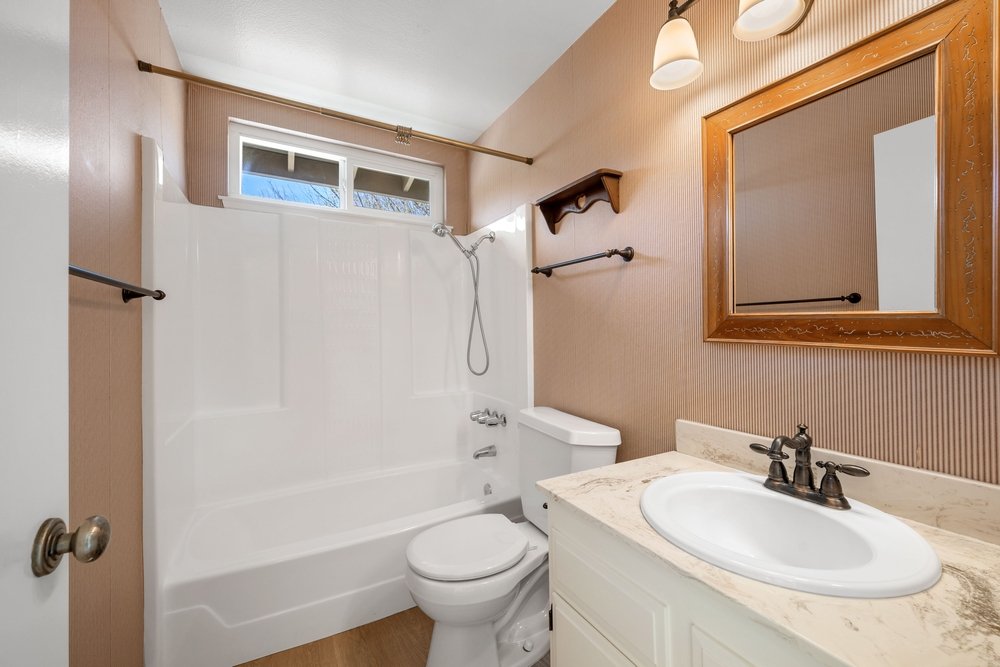
Budget-friendly interiors focus savings where performance matters least while protecting quality in spaces you actually use.
Decorative bathroom tile often offers visual appeal without frequent contact, making premium options less critical for everyday comfort.
Guest room finishes can remain simple because occasional use rarely justifies high-end materials or complex installation details.
Accent walls and decorative trim provide style flexibility while allowing you to update finishes later without major expense.
Laundry rooms function best with durable basics, since aesthetics matter less than reliability and easy maintenance.
Secondary storage areas benefit from straightforward shelving instead of custom cabinetry that adds cost without improving daily use.
Saving intentionally in these areas frees budget for upgrades that directly affect comfort, durability, and long-term satisfaction. Clear priorities help homeowners and builders avoid overspending on finishes that rarely influence daily living. Smart planning keeps projects efficient while ensuring spending supports how you actually live in the space.
Where Luxury Interiors Are Worth the Investment
Some features earn their cost because they affect comfort, durability, and satisfaction every single day. Spending more makes sense when materials handle constant use or directly support how you rest, cook, and relax. Luxury interiors deliver value when upgrades improve daily experience rather than surface-level appearance.
Mattresses and upholstered seating justify higher investment because comfort and support affect sleep quality and long-term physical well-being.
Kitchen countertops benefit from premium materials that resist heat, moisture, and wear while supporting daily cooking and entertaining needs.
Flooring in high-traffic areas performs better when durability, finish quality, and installation standards receive proper investment.
Cabinet hardware and drawer systems feel better over time when smooth operation and structural strength prevent sagging or failure.
Plumbing fixtures used daily offer better performance and longevity when materials and internal components exceed entry-level construction.
Targeted splurges protect areas that experience constant interaction while reducing repair and replacement needs over time. Thoughtful upgrades keep projects balanced without overspending on features that rarely influence daily comfort. Strategic planning helps homeowners and builders invest where it truly matters.
How Daily Use Should Guide Spending Decisions
Daily habits should shape where money goes, since constant interaction exposes weaknesses faster than occasional or decorative use. Rooms you touch, sit in, or rely on every day deserve closer attention during planning. Budget-friendly interiors work best when spending aligns with real usage instead of visual trends.
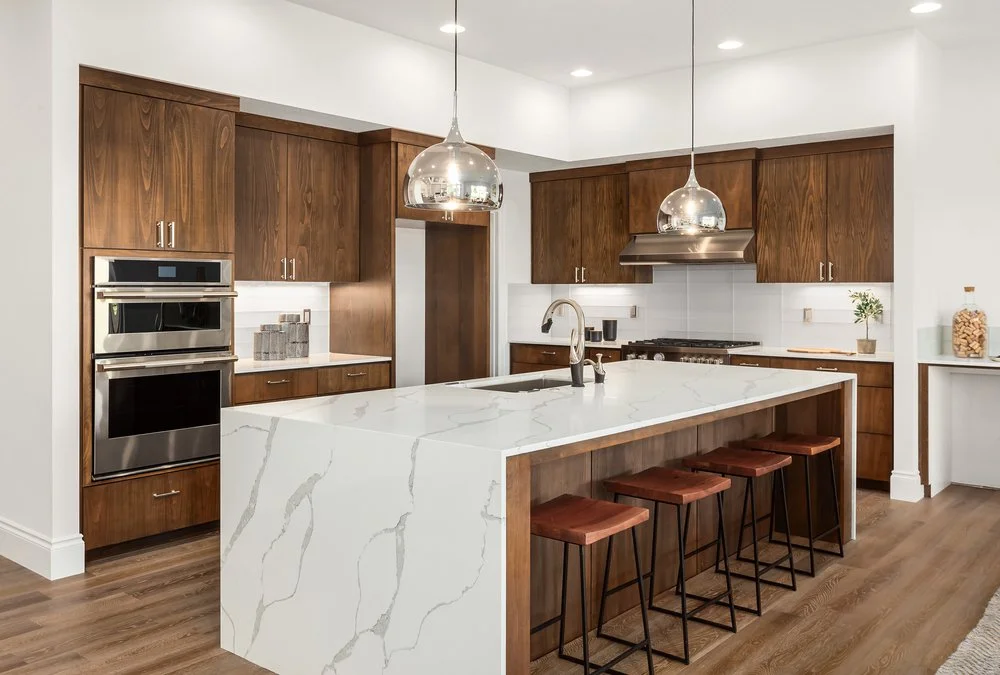
High-use spaces reveal material quality quickly through wear, comfort, and maintenance demands. Investing strategically reduces frustration caused by frequent repairs or premature replacement.
Low-use areas allow more flexibility without affecting comfort or long-term performance. Simple materials often perform just as well when daily interaction remains limited.
Project planning benefits when contractors and homeowners evaluate routines before finalizing selections. Clear priorities help materials, layouts, and installation decisions stay aligned.
When spending decisions follow daily use, interiors feel balanced rather than uneven or mismatched. Thoughtful planning keeps budgets controlled while protecting comfort, durability, and long-term value throughout the home.
Balancing Materials, Comfort, and Long-Term Value
Successful interior projects balance appearance, comfort, and durability without letting any single factor dominate decisions. Materials should support how you live while staying realistic for budget and maintenance expectations. Luxury interiors feel justified when upgrades improve daily experience and reduce long-term replacement needs.
Comfort-driven choices often deliver more value than purely decorative upgrades over time. Seating, flooring, and work surfaces benefit most when quality supports frequent use and physical comfort.
Material durability matters when finishes face moisture, traffic, or repeated cleaning throughout the year. Strong core construction helps interiors age better without constant upkeep or cosmetic fixes.
Long-term value improves when selections support future maintenance, repairs, and adaptability. Planning with lifespan in mind prevents short-term savings from creating larger expenses later.
Balanced decisions help interiors feel cohesive, functional, and satisfying well after installation ends. Thoughtful planning keeps budgets aligned while supporting comfort and performance across everyday living spaces.
Planning Smart Interior Upgrades Without Overspending
Smart interior upgrades start with understanding how spending choices affect comfort, durability, and daily use over time. Clear priorities help homeowners and builders avoid overinvesting in features that add little practical value. Balanced planning leads to interiors that feel intentional, comfortable, and easy to maintain.
Our team at Akin Building Center helps you evaluate where to save and where to invest based on real-world use and material performance. We support projects throughout Atlantic, Creston, and Corning, Iowa, with practical guidance, dependable materials, and coordinated delivery support. Contact us at Akin Building Center to plan interior upgrades that fit your space, your budget, and how you actually live.