
6 Exterior Projects That Protect Your Home Before Winter
Winter is unforgiving toward anything you left unfixed in the fall. A thorough exterior home maintenance checklist catches drafts, gaps, and wear before freezing temperatures set in. A small fix now beats a costly repair later. Work through these six projects, and you protect your home while keeping your energy bills in check once the cold arrives.
None of these tasks require a major renovation. Most take a single weekend. Together they cover the areas of your home most exposed to winter weather.
Seal Gaps With Fresh Caulk
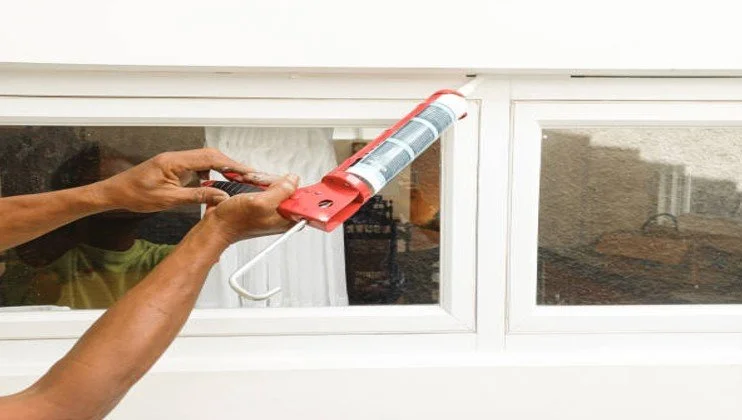
Caulk breaks down over time. It shrinks and cracks as it ages through repeated hot and cold cycles. Check around windows, doors, siding seams, and any spot where two different materials meet. These joints move independently and open small gaps as seasons change.
Remove old, cracked caulk completely before you apply a new bead. If you caulk over failed caulk, moisture gets trapped underneath and rot sets in faster. A putty knife or a specialty caulk removal tool clears out the old bead faster than a blade alone. Exterior caulk and sealants rated for temperature swings hold up far better through a full winter than a basic indoor formula, and a single tube typically covers several windows or a full door frame depending on gap size.
Add Weatherstripping to Your Exterior Home Maintenance Checklist
The strip of material around doors and windows wears out faster than most homeowners expect, especially on entries that see daily use. A quick test tells you what shape yours is in. Close the door or window on a piece of paper. If you can pull the paper out without resistance, the seal has failed.
A new weatherstrip is one of the cheapest, fastest wins on this whole checklist. Foam tape works well for small, irregular gaps, while V-strip and door sweep options handle larger entries that see daily use. Door and window hardware includes weatherstripping in a range of styles. You can match what your existing doors and windows need, and most homeowners finish an entire home's worth of doors and windows in a single afternoon.
Inspect Siding for Damage Before It Gets Worse
Cracked, warped, or loose siding lets moisture behind the exterior wall. That moisture causes far more damage over a freezing winter than it would in mild weather. Walk the full perimeter of your home. Look for gaps, soft spots, or panels that have pulled away from the wall.
Pay close attention to corners, seams, and areas near the foundation, since these spots hold moisture the longest after rain or snowmelt. A few sections of damaged siding are a manageable fix now. The same damage left through a winter of freeze-thaw cycles often spreads. It turns into a much larger repair by spring. Siding materials matched to your home's existing style make small repairs blend in rather than stand out.
Confirm Your Windows and Doors Seal Properly
Beyond weatherstripping, check that windows and doors close fully and latch without forcing. A window that does not sit flush in its frame lets cold air in no matter how good the weatherstripping is. The same goes for a door that has shifted slightly on its hinges over the year.
A simple way to test for hidden drafts is to hold a lit candle or a piece of tissue near the frame on a windy day and watch for movement. If a window or door shows real wear, like fogging between panes or a frame that has started to rot, replacement windows and doors solve the problem for good. You skip the repeat patch job year after year, and a full replacement often pays for itself through lower energy bills within a few winters.

Add Gutters and Roofline Checks to Your Exterior Home Maintenance Checklist
A few roof and gutter tasks belong on every fall checklist:
Clear leaves and debris from gutters so melting snow and ice have somewhere to drain.
Check for loose or missing shingles that could let moisture in during winter storms.
Confirm downspouts direct water at least a few feet away from your foundation.
Look for gaps around roof vents and flashing where warm air can escape.
Cut back any tree branches that hang close enough to drop debris into gutters or scrape the roof in high wind.
Skip this step, and you risk one of the most common causes of ice dams and water damage partway through winter. A clogged gutter that freezes solid can also add significant weight, which stresses the mounting brackets and pulls them away from the fascia over time.
Finish Your Exterior Home Maintenance Checklist With Paint and Trim
A final walk around your home's exterior catches anything the earlier steps missed. Peeling paint, exposed wood, and worn trim all invite moisture in exactly where you do not want it during winter. A quick touch-up coat on exposed areas now prevents a much bigger paint job come spring.
Pay special attention to trim around windows, doors, and rooflines, since these thin pieces of wood dry out and crack faster than wider siding boards. A small tube of exterior wood filler handles minor cracks and gouges before you paint over them and gives the surface a smooth, sealed finish that holds up through winter moisture.
Not sure where to start, or want a second set of eyes on your home's exterior before winter hits? Our design team can walk through your checklist with you and help you prioritize what needs attention first.
Get your materials, tools, and expert advice all in one place. Visit Akin Building Centers and let us help you prep your home for whatever's coming.