
Ready For Outdoor Living? Planning Decks And Patios Before Peak Season
Ready For Outdoor Living? Planning Decks And Patios Before Peak Season
Spring hits fast, and outdoor projects start stacking up before most homeowners even realize the pressure of the timing. You end up competing for contractor availability, material deliveries, and installation windows if you wait too long to plan. Outdoor living becomes harder to execute smoothly when demand peaks and schedules tighten across every trade involved.
Planning early gives you control over design decisions, budget alignment, and contractor selection before the seasonal rush limits your options. You can take time to evaluate materials, layouts, and long-term performance without being forced into rushed decisions.
What Is Outdoor Living and Why Should You Plan Early?
Outdoor living refers to the intentional design and use of exterior spaces, such as decks, patios, pergolas, and seating areas, that extend the way you live at home. Outdoor living allows you to create functional spaces for relaxing, entertaining, and everyday use while enhancing your property's usability. Planning outdoor living early ensures you can align design, materials, and contractor schedules before demand limits your flexibility.
Why Outdoor Living Projects Get Delayed Without Early Planning
Spring demand creates immediate pressure on contractor schedules, material availability, and project timelines before most homeowners finalize their plans. You end up competing with a surge of projects that all require the same crews, deliveries, and installation windows simultaneously. Outdoor living becomes harder to execute efficiently when every step of the process faces limited availability and tighter scheduling constraints.
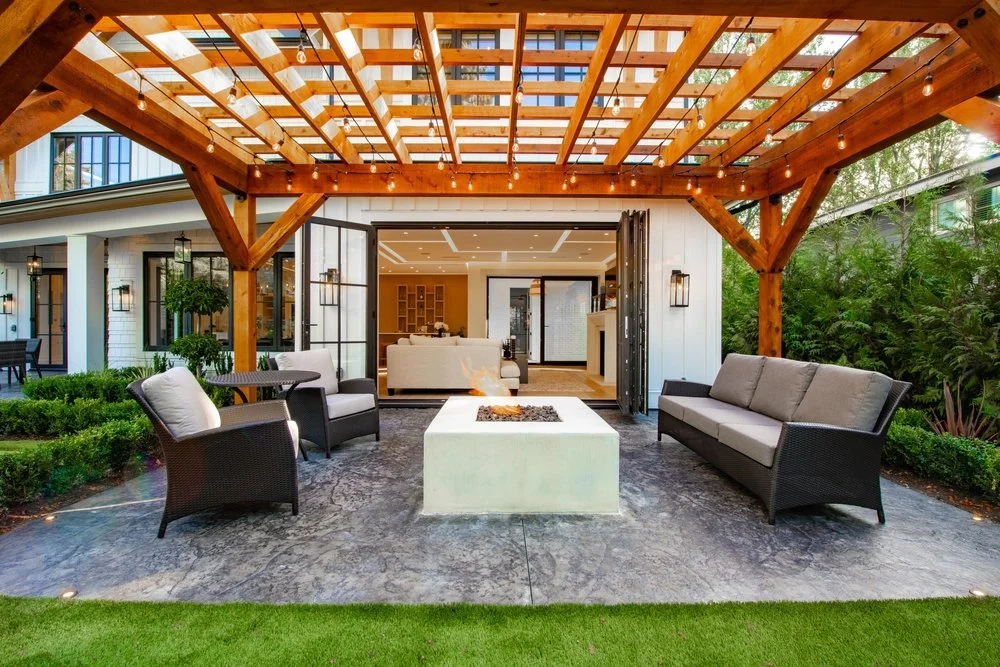
Contractors begin filling their calendars weeks or even months before peak season officially starts, which reduces flexibility for new projects. You may face delays not because of complexity, but because crews are already committed to earlier, locked-in priority bookings. Outdoor living projects in areas like Atlantic often experience these delays first due to seasonal demand patterns and limited contractor bandwidth.
Material supply also tightens as demand increases, especially for decking, concrete, and specialty finishes that require lead times. You risk selecting from limited inventory or accepting substitutions when preferred materials are no longer readily available. Outdoor living planning works best when materials, timelines, and labor are aligned before availability becomes a constraint.
How Outdoor Living Design Choices Impact Long-Term Use
Outdoor living design decisions directly influence how comfortable, functional, and durable your space remains over time. You need to think beyond the initial appearance and focus on how the layout, materials, and features support daily use across different seasons. Outdoor living becomes more valuable when it balances aesthetics with practical performance and long-term usability.
Choosing durable materials ensures your outdoor living space holds up against weather exposure, moisture, and temperature changes throughout the year. You avoid premature repairs and maintain a consistent appearance that supports long-term value.
Planning for traffic flow helps you create an outdoor living layout that feels natural and easy to use during gatherings or everyday activities. You prevent congestion and make the space more inviting for both small and large groups.
Incorporating shade and shelter helps your outdoor area remain usable on hot, sunny days or in light rain. You extend how often you can enjoy the space without being limited by the weather.
Considering lighting placement can improve how your outdoor space functions in the evening and enhance both safety and visibility. You create an environment that feels complete and usable beyond daylight hours.
Integrating features like seating, storage, and built-in elements supports how you actually use your outdoor living space over time. You avoid clutter and create a more organized, intentional layout that works for your lifestyle.
Strong outdoor living design comes from thinking through how you will use the space on a daily basis, not just how it looks on installation day. You gain better long-term results when every design choice supports function, comfort, and durability. Outdoor living works best when planning connects real use with smart, forward-thinking decisions.
Key Steps to Plan Decks and Patios Before Peak Season
Outdoor living projects run smoother when you lock in a clear plan before demand limits your options. You need structure, timing, and coordination to avoid delays and rushed decisions.
Define your project scope so your outdoor living plan includes size, layout, and required features. You keep decisions focused and prevent unnecessary changes later.
Set a realistic timeline that accounts for design, permitting, material lead times, and installation. You avoid delays caused by poor scheduling assumptions.
Establish a clear budget to guide your outdoor choices without overspending or cutting critical elements. You maintain control while prioritizing long-term value.
Research materials early to compare durability, maintenance, and availability for your outdoor space. You avoid last-minute substitutions that compromise your design.
Coordinate with contractors in advance to secure availability and align expectations. You position your outdoor project ahead of peak-season bottlenecks.
Planning early gives your project direction and reduces unnecessary friction. You move from reactive decisions to controlled execution.
Choosing the Right Contractor for Spring Outdoor Projects
Outdoor living success depends on choosing the right contractor before schedules fill up, especially as spring demand starts to tighten availability across crews and materials. You need someone reliable who can execute your plan without delays, miscommunication, or shortcuts that compromise long-term results.
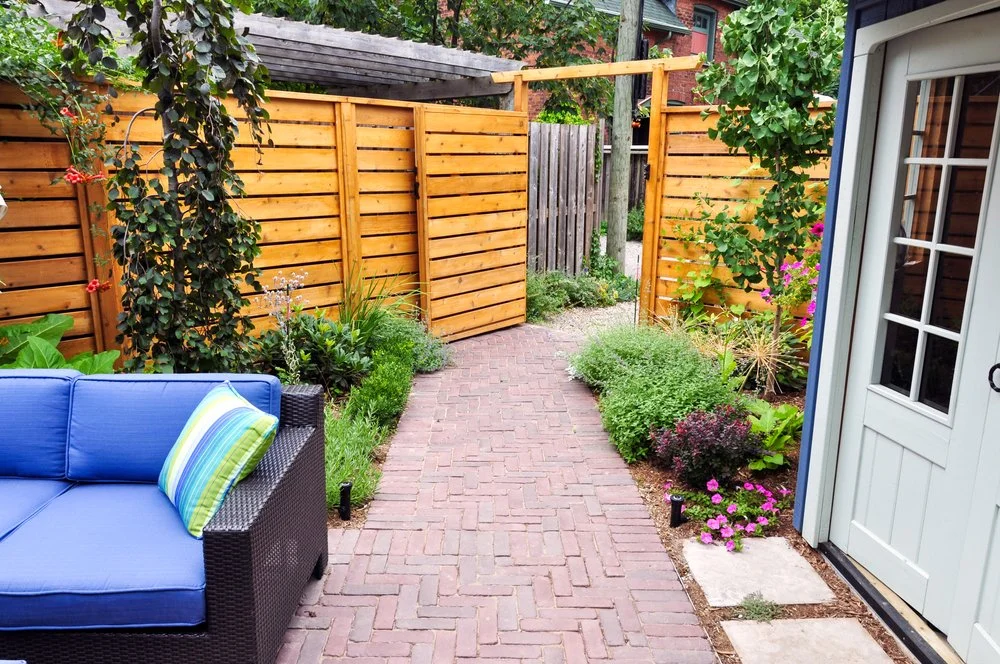
Evaluate experience and review past work to confirm the contractor has handled similar outdoor projects with consistent quality and execution. Confirm timelines and discuss communication expectations early so your project stays aligned, realistic, and clearly managed from start to finish.
Verify licensing and insurance to protect your investment and ensure the contractor meets professional and legal standards. Outdoor projects in Creston and Corning, Iowa, benefit from early contractor selection as availability tightens quickly during peak season.
Start Your Outdoor Living Project Before the Rush Hits
Outdoor projects come together faster and with fewer setbacks when you plan ahead instead of reacting to seasonal demand. You gain better control over design, materials, and scheduling when decisions happen before contractors and suppliers reach full capacity. Outdoor living becomes easier to execute when every part of the project is aligned early, rather than adjusted under pressure.
Waiting too long forces compromises that affect both quality and timeline, especially when availability becomes limited across crews and materials. You put yourself in a stronger position when you define your plan, secure your contractor, and move forward before peak season demand sets the pace. Outdoor living projects deliver better long-term results when built on preparation rather than urgency.
If you are ready to move forward with your outdoor living project, reach out to Akin Building Center for expert guidance, material support, and planning insights before the busy season takes over. Connect with our team to talk through your project and get started.