Interior Design That Works: How to Build Beautiful, Functional Spaces for Any Budget
Interior design works best when it supports how you live, move, and use your space every day, not just how it looks online. Thoughtful choices help rooms feel comfortable, organized, and easy to maintain without overspending or overcomplicating decisions. Interior design becomes more successful when function leads, and style follows naturally.
In this guide, you will learn how to approach interior design from the ground up, starting with daily habits and budget priorities. The sections ahead break down storage, custom features, smart spending, bathroom upgrades, and interior details that quietly elevate spaces.
What Interior Design Really Needs to Do
Interior design should make your space easier to use, more comfortable to live in, and simpler to maintain over time. Good design balances function, layout, and smart choices instead of focusing only on appearance. Interior design works best when it supports real life first and visual style second.
Understanding How You Live Before Making Interior Design Choices
Homes work better when design decisions reflect how you actually live, not how spaces look in photos or showrooms. Daily habits, routines, and frustrations reveal where layouts succeed or fall short. Interior design becomes more effective when it starts with honest reflection instead of surface-level inspiration.
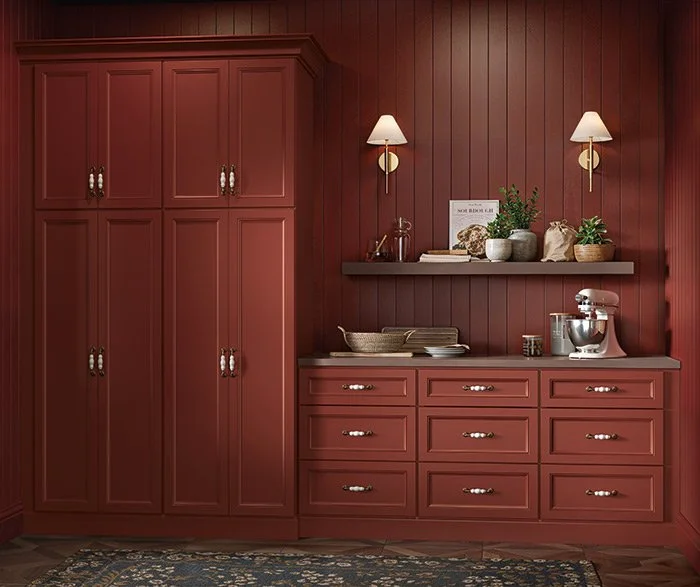
Rooms should support real movement, storage needs, and comfort throughout normal days, not just special occasions. Paying attention to how spaces feel during everyday use helps prevent regret later.
Cooking frequency affects how much counter space, storage access, and traffic flow your kitchen truly needs.
Work-from-home routines influence lighting, storage, noise control, and seating comfort more than décor ever will.
Family size and guests determine whether open layouts or defined spaces feel easier to manage daily.
Hobbies and downtime habits shape storage needs for equipment, books, or entertainment features.
Cleaning preferences impact material choices, layout simplicity, and long-term maintenance expectations.
When lifestyle leads decisions, spaces feel more comfortable and intuitive without requiring constant adjustment. Thoughtful planning reduces wasted space and unnecessary upgrades that do not support daily routines. Homes designed around real use stay functional longer and feel better to live in every day.
Setting Interior Design Priorities That Fit Your Budget
Budgets work better when priorities stay clear and focused instead of reacting to trends or last-minute upgrades. Knowing what matters most helps you avoid spreading money too thin across too many areas. Interior design feels more manageable when spending aligns with daily comfort and long-term use.
Start by identifying spaces you use most and features that affect your routine every single day. High-traffic rooms deserve more attention than areas rarely seen or used. Clear priorities protect your budget while still allowing rooms to feel complete.
Breaking decisions into must-haves and nice-to-haves keeps projects moving forward without constant second-guessing. Simple lists help homeowners and builders stay aligned as choices stack up. Interior design becomes less stressful when every dollar has a clear purpose.
Budget clarity also makes conversations with suppliers and contractors more productive. Fewer surprises lead to smoother timelines and fewer compromises during installation.